Paris is one of those cities that feels like you’ve stepped into a film set… right up until you’re standing in a queue you didn’t know existed, trying to figure out which line you’re meant to be in and someone in your group asks, “Wait, is the Louvre closed today?” Trust us, we’ve been there.
The good news is that Paris is an absolute dream for first-timers once you plan it the right way. We’ve visited the city loads of times over the years and the same challenges pop up again and again for people planning their first trip: tickets that sell out, days that are too packed, and itineraries that accidentally include a museum on its weekly closure day. This guide is packed with all the practical experience we’ve picked up from our many trips to the city of lights.
Book the popular sell-out tickets early
This is our biggest tip for anyone planning a trip to Paris. Tickets for many of the most popular attractions like the Louvre, the Eiffel Tower and Disneyland Paris can sell out well in advance, especially during busy holiday periods. Once you have your dates finalised you should book these tickets immediately. We regularly get messages from followers who left tickets until the last minute and are extremely disappointed when they find they are sold out.
The popular attraction tickets that commonly sell out in advance are:
- The Louvre
- Eiffel Tower
- Disneyland Paris – book your tickets now
- Versailles
- The Catacombs

If you’re only going to be strict about one thing, let it be this. Having your key tickets locked in makes the rest of your planning feel so much easier.
Choose where to stay based on transport links, not just central
A hotel near a good Metro/RER connection will make every day easier than paying extra to be near one specific landmark. Paris is split into 20 neighbourhoods called arrondissements. We recommend staying in the central 1st (Louvre) or 6th (Luxembourg) arrondissements as they are the perfect base for exploring the city. In our experience the convenience and central location make the higher hotel prices more than worth it. We like to stay in the Saint-Germain-des-Prés area of the 6th Arrondissement as it’s perfect for exploring the city centre on foot and has great transport connections.
Pick your daily priorities and accept you won’t do everything
The best first trips focus on what matters most to you, not a checklist that leaves you exhausted by day two. You can spend a month in Paris and not see everything — we’ve spent at least this long in the city over the years and still have not visited everything. We recommend including 2–3 main attractions per day, with lots of time for exploring and eating/drinking.
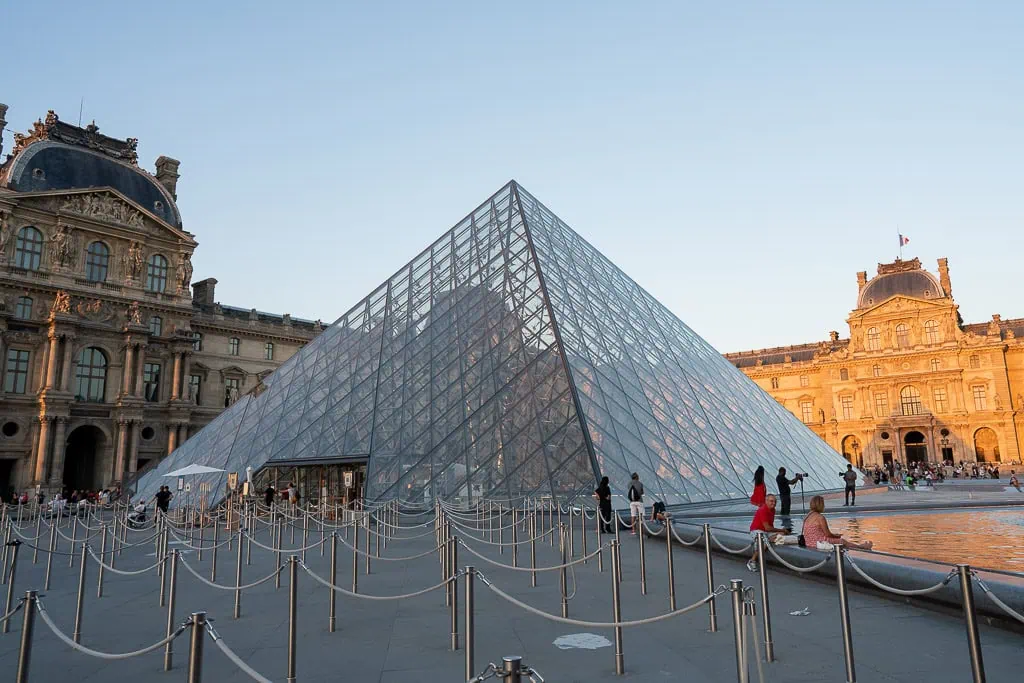
One of the most common mistakes we see is people trying to do too much in a day. This just leads to long days and not enjoying the trip due to exhaustion. Paris is the kind of city where the in between moments (a bakery stop, a random side street, a park bench with a snack) end up being your favourite memories.
Keep your plans flexible
Keeping your plans flexible allows time to really see each area of the city you’re in. Paris is full of hidden gems and beautiful areas to just stroll around, which you’ll only have time for if you keep your plans flexible!
A simple way to do this is to anchor your day around one pre-booked attraction, then leave the rest as nice-to-dos depending on how you feel. Some days you’ll be full of energy and want to keep going. Other days, you’ll want a long lunch and a wander and Paris is perfect for that.
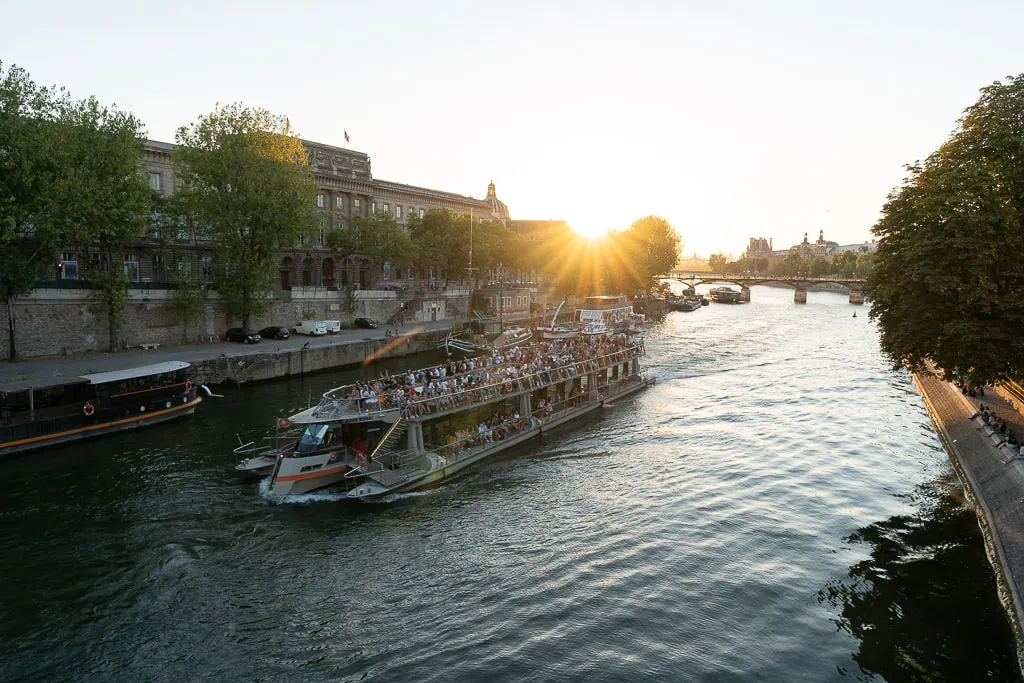
Plan at least one classic day trip
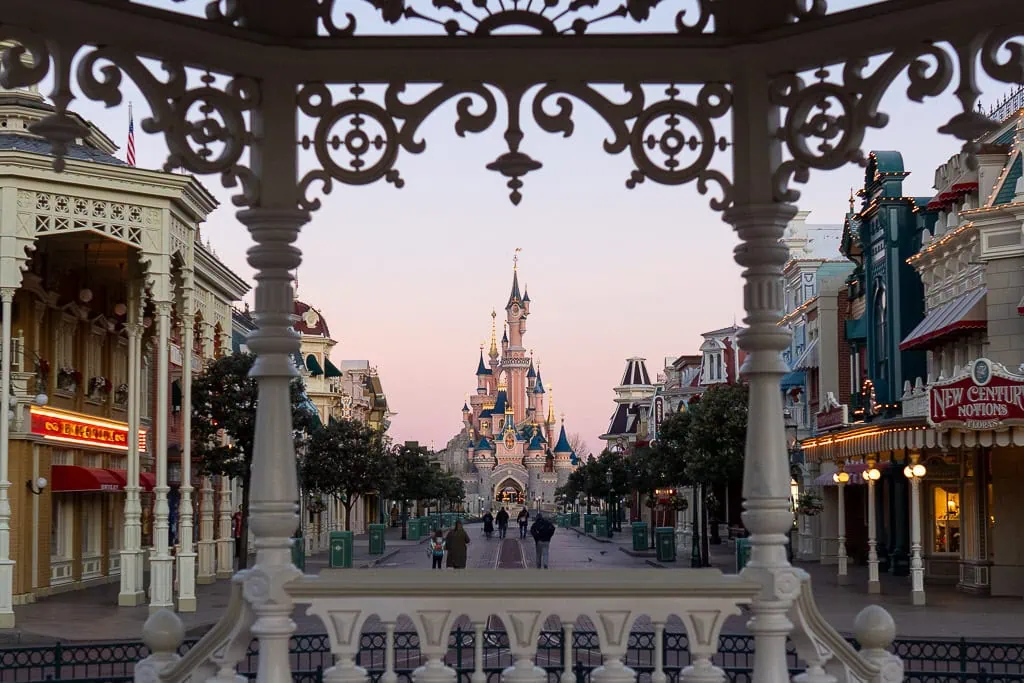
A day outside Paris breaks up museum-heavy days and can be the highlight of the trip when chosen to match your interests. Our favourites would be Disneyland Paris and Versailles as they are both very easily reached from the city. Disneyland Paris is only 45 minutes in the RER A line from Paris centre – book your tickets now!
Book your Disneyland Paris tickets now
If you’re doing multiple days in Paris, a day trip can feel like a reset button — new scenery, different pace, and then back to the city for dinner. It keeps the trip feeling varied and exciting.
Plan your days by neighbourhoods to avoid zig-zagging
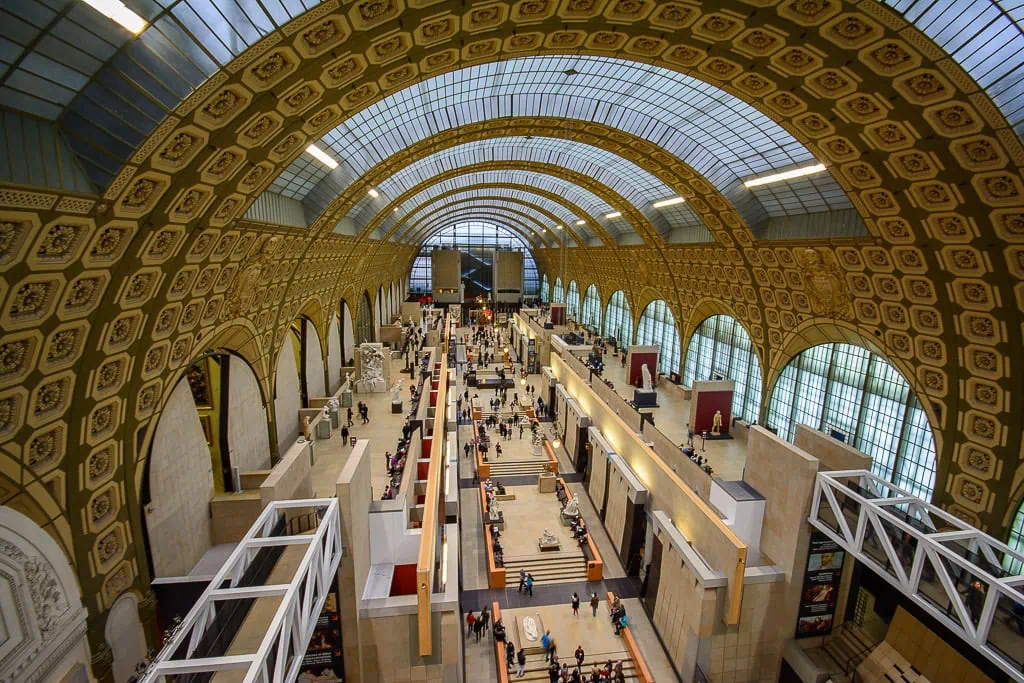
Group sights that are close together so you spend more time enjoying Paris and less time commuting across it. So plan a day for the central sights like the Louvre, Notre Dame and Musée d’Orsay, another for the Eiffel Tower, another for Montmartre etc. Paris is a huge city, so avoiding changing locations during the day will save a lot of time.
Paris looks compact until you realise that crossing the city three times in one day quietly steals hours you could have spent actually enjoying it.
Learn the basics of Metro vs RER before you arrive
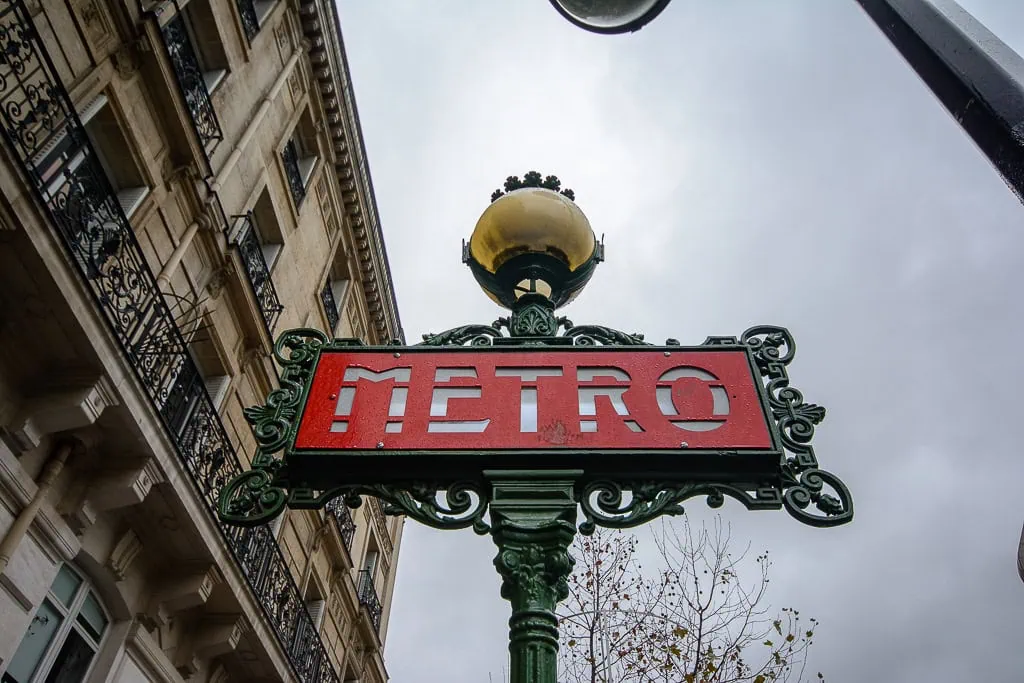
Understanding which trains you’ll use for city sightseeing versus day trips prevents common ticket and route mistakes. Paris is a beautiful city to explore on foot, however you’ll need to know how to use the Metro and RER to get between the arrondissements. The Metro is best for getting around the city centre quickly, while the RER is best for getting to/from airports, Disneyland Paris etc.
If you learn just a little before you arrive, you’ll feel instantly more confident — and you’ll be far less likely to end up at the wrong platform wondering why your train number looks nothing like the one on your phone.
We’ve also got some of the common mistakes visitors make when planning a trip to Paris.
Don’t ignore closure days and local holidays
It’s easy to assume that all the popular attractions in Paris are open year-round but this isn’t the case. Not all museums and attractions are open every day and many have a regular weekly closure day. For example, Musée d’Orsay and the Paris Catacombs are often closed on Mondays, while the Louvre is usually closed on Tuesdays.
Always check opening times and dates and plan your itinerary around any closures. Closures also occur around and during public holidays, and occasional last-minute changes do happen, so checking official opening hours close to your visit can save you a lot of frustration.
Don’t assume everything is walkable
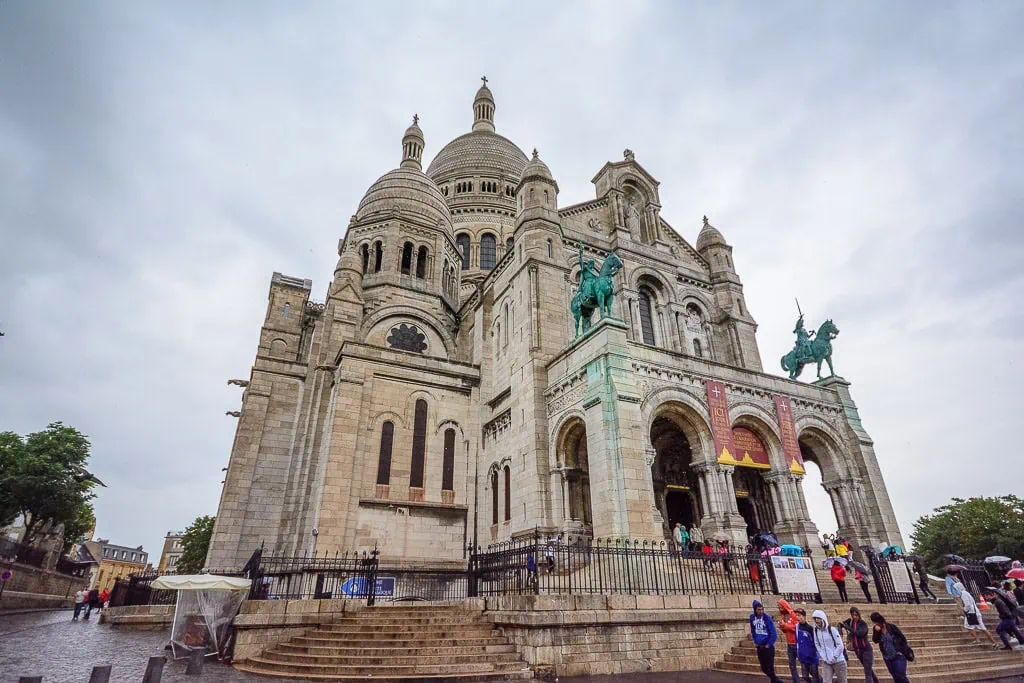
While Paris is a great city to explore on foot, many of the major sites are dotted around the city and can really only be visited using the RER and/or the Metro. So make sure you research public transport as it’s the quickest way around the city. While landmarks like the Sacré-Cœur and the Eiffel Tower are visible from around the city, don’t underestimate how long the walk is to them – make sure to take the RER or Metro.
Not staying close to the city/transport links
While you will find hotels cheaper outside of the popular central arrondissements, you will likely spend more time on public transport and less time experiencing the city as a result.